



- Weight: 50g / 1.76 oz
- Recyclable Packaging
Tasting Notes
Tasting Notes
A Creamy, bold-bodied matcha with vibrant grassy notes and rich umami with a lingering finish.
Sweetness Profile
Sweetness Profile
- Gentle
- Moderate
- Rich
- Sweet
Matcha Intensity
Matcha Intensity
- Subtle
- Mild
- Bold
- Intense
Nutritional Information
Nutritional Information
- Ingredients: Whole milk solids, Cocoa butter, Cane sugar, Matcha, Soy lecithin 0.5%.
Allergen Information
Allergen Information
- Allergens: Milk, Soy
- May Contain: Tree Nuts, Hazelnuts, Walnuts, Peanuts, Almonds, Cashews, Egg, Sesame, Lupin, Gluten, Wheat, Oats
New Zealand Dairy
Full Cream Milk
Chocolate Makers
From Raw Ingredients to Chocolate
Handcrafted In NZ
Every Bar Is Handmade
Cocoa Butter
Pure Cocoa Butter
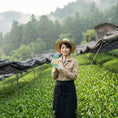
Uji Matcha, Kyoto
Organically Grown
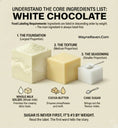
Sugar Is Never First ™
Listed At #3 By Weight
-
BOLD MATCHA FLAVOUR
-
GENTLE SWEETNESS
-
A CLEAN FINISH
Chocolate shouldn't leave you feeling empty
- Disappointing chocolate is no fun.
- Don't be held back.
- You deserve better than this.


Enjoy matcha chocolate with smooth balance and a clean melt finish
-
FEEL A SMOOTH, CLEAN MELT
The cocoa butter-rich base gives the bar a softer melt that lets the matcha flavour unfold gently and evenly.
-
TASTE MORE IN EVERY BITE
This bar is made so that the matcha and white chocolate work together, giving you a layered matcha flavour experience.
-
ENJOY BALANCED SWEETNESS
Sweetness sits in support, helping the creaminess of the bar and the character of the matcha stay in balance.
Wayne Doesn't Just Care About Chocolate.
He Cares About You.
🍫 Chocolate Maker Since 2019 - always refining for balanced flavour.
⭐ #1 Customer Choice - 35% Matcha White Chocolate at Auckland Chocolate & Coffee Festival 2025 - with strong feedback across the range.
⚖️ Sugar Is Never First ™ - it's listed as the third ingredient by weight - it's treated like seasoning.


Questions You Might Have Before Trying This Matcha Chocolate
There is a reasonable assumption to bring to matcha chocolate at this price point, that you are paying a premium for an interesting concept rather than for an extraordinary ingredient. That the matcha in the bar, whatever the label says, is ultimately performing a flavouring function rather than a leading one.
That assumption does not apply to Yozumi. The price of this matcha chocolate sits primarily in the matcha itself.
The question of why chocolate is so expensive to make with genuine matcha integrity has a direct answer here: Uji matcha chocolate is not a generic category. Uji region, Kyoto, is the most respected matcha producing region in Japan, a geographical origin with over 800 years of matcha growing tradition that produces the specific earthy, vibrant, umami rich character that distinguishes it from matcha grown in other countries. That origin commands a genuine price premium because the quality it delivers is genuinely different.
The question of what makes chocolate expensive at this level is the same question you ask about any ingredient you take seriously: does the sourcing reflect the same standard as the claim? The certified organic Uji matcha in Yozumi does. It was chosen because of the quality and flavour character it delivers, the bold grassy depth, the vibrant brightness, the lingering umami, and because that character requires an origin as specific as Uji to produce it reliably.
The matcha bar you are holding costs what it costs because the matcha inside it costs what it costs. That is the straightforward answer. For someone who knows matcha well enough to recognise Uji quality, the price may be the first confirmation rather than the first concern. The artisan white chocolate base and the chocolate flavours that carry the matcha add to the cost. But the ingredient at the centre of this bar is the reason it is priced where it is.
You will know from the first square whether the price was right.
Open the first square of Yozumi and pay attention to what arrives. The matcha chocolate warmth opens first, creamy, clean, unhurried. And then the matcha comes through. The earthy depth. The grassy brightness. The umami note that lingers in the finish long after the melt has settled.
That sequence, matcha arriving clearly and staying, is only possible when the base surrounding it was built to give it room. The question of whether chocolate is sweet in a way that supports rather than dominates its most important ingredient also comes down entirely to how the sweetness was placed in the recipe.
In Yozumi, cane sugar sits third by weight. The New Zealand full cream milk in the recipe carries its own natural sweetness for you, gentle, dairy led, contributing before the added sugar plays any role. The New Zealand cow milk sitting at position one means its natural lactose sweetness is already integrated before the matcha arrives. Cane sugar at position three means it is completing rather than leading the profile.
The result is a base that opens gently and stays back, which is exactly what the certified organic Uji Kyoto matcha needs to express its full character. Whether chocolate is naturally sweet in a way that serves the matcha rather than covering it is precisely the question this recipe was built to answer. The white chocolate foundation works with the matcha rather than around it.
The bold bodied matcha character, the vibrant grassy notes, the rich umami, the lingering finish, may be what you find when you taste a chocolate flavour profile where the sweetness was deliberately placed to give you those qualities the space they need. The earthy depth of genuine Uji matcha in this matcha chocolate bar arrives because nothing was built to obscure it for you.
You know what you are looking for. You turn Yozumi over, not to check for a general quality badge, but for the matcha origin specifically. The one detail that tells you whether the ingredient at the heart of this bar was sourced with the same seriousness you bring to matcha in every other context.
You find it.
Certified organic matcha from Uji, Kyoto. For someone who takes matcha seriously, those words are the confirmation, not the introduction. Uji matcha is not a marketing category. It is a specific geographical origin with a cultivation history stretching back over 800 years, where preparation, and the particular terroir of that region combining to produce a matcha character that is earthy, vibrant, and umami rich in a way that is specific to where it was grown.
The question of trust without certification is already partly answered by the certified organic status, an independently verified confirmation that the farming and processing standards met that threshold. But for you, it is the geographical origin that carries the most weight. Uji is not chosen for its name. It is chosen for what it produces. The New Zealand milk base that carries it is sourced from a local New Zealand dairy business, traceable to New Zealand, where your bar was made.
When thinking about what ethically sourced chocolate brands look like when they extend that same care to every ingredient, Yozumi answers that question through the matcha specifically. The certified organic standard was pursued here precisely because the matcha origin warranted it. This is New Zealand white chocolate built around an ingredient that was chosen for the character it delivers, from the origin that delivers it most genuinely.
You turned the bar over, looking for the matcha origin. You found Uji, certified organic. The check is complete.
Have you wondered whether white chocolate is actually the right vehicle for genuine matcha, whether the dairy base and its inherent sweetness might overwhelm exactly the earthy complexity you came for? It is a reasonable question to bring to a matcha chocolate bar at this price. The answer depends entirely on how the white chocolate was built.
The white chocolate base in Yozumi was crafted with a high proportion of cocoa butter, the ingredient you’ll notice that gives it that clean melt finish, open quality. Cocoa butter produces a melt that is neutral in the finish, it does not add competing flavour notes, and it does not close around the ingredients it carries. The result is a melt that remains open for the matcha to arrive through rather than one that absorbs the matcha into a wall of dairy sweetness.
The question of whether dark chocolate vs white chocolate is the right frame for matcha is actually the wrong question. The right question is whether the specific white chocolate in this bar was built to honour what the matcha delivers. These matcha white chocolate bars were designed around the matcha, not the base. The base was built to carry the matcha. That is the entire architectural decision behind this matcha white chocolate bar.
Whether dark chocolate is better than milk chocolate as a vehicle for bold flavour additions is a separate argument. For matcha specifically, the clean, non competing quality of a well built white chocolate base may be what finally gives the earthy, grassy umami character the platform it needs to arrive fully.
What this means for the matcha you are about to taste
The artisan white chocolate base in Yozumi opens cleanly and stays back. The certified organic Uji matcha arrives through that openness, earthy, grassy, vibrant, with the umami note that genuine matcha lovers recognise as the mark of the real thing. The base was built for exactly this. The matcha leads.
The specific disappointment you are trying to avoid is not simply a bar you did not enjoy. It is a bar that performed genuine matcha interest on the label and delivered something that proved nothing about what matcha can be in chocolate. For someone who takes Japanese food culture seriously, that specific outcome would confirm the wrong thing. It would confirm the concept does not work rather than confirm that this particular bar did not honour it.
Yozumi does not yet have its own reviews, it is still finding its audience among people who know matcha well enough to assess it properly. What it does have is a maker whose approach to gourmet chocolate is specific and traceable. Wayne Raven controls every stage from sourcing to finished bar. The certified organic Uji Kyoto matcha was chosen because of the flavour character it delivers, earthy, grassy, vibrant, umami rich, not because matcha is trending. Among the best chocolate brands working with matcha at this level, the ones that honour the ingredient are the ones that can name exactly where it came from and why.
For you, the white chocolate base in your Yozumi bar is kinda the closest and most similar ingredient list in the foundation to the Calivair bar of all the chocolate as of now, in the same range. Real people who tasted that base without expectations found it worth talking about:
From Calivair 37.5% kinda similar white chocolate base that carries the matcha in Yozumi:
"Really nice, creamy and milky. It has really clean taste."
★★★★ Sabrina L · Auckland, NZ Calivair 37.5% kinda similar to the white base as Yozumi
"The deep rich milky chocolate taste lasts long in your mouth. It is a creamy texture and is not too sweet making the flavours balanced."
★★★★ Asami M · Auckland, NZ Calivair 37.5% kinda similar to the white base as Yozumi
"Not too sweet making the flavours balanced." "Really clean taste." These words confirm to be similar to the white base in Yozumi, the vehicle carrying your matcha, was already proven to stay back and let what matters come through. The matcha chocolate bars you are considering, the chocolate matcha bars built on this foundation, carry a base that real people already found clean and non dominant. The Uji matcha chocolate and green tea chocolate bars you have felt cautious towards before, Yozumi was built by a maker who took the matcha as seriously as you take it. The base is proven. The origin is verified. The matcha is the real thing for you.
There is a specific moment of friction that precedes buying a matcha product from a maker you are assessing for the first time. The origin on the label looks right. The claim sounds considered. And you are pausing, not because you doubt the bar, but because you know enough about matcha to know that the difference between a genuine Uji origin and a less specific one is substantial. You are checking whether the sourcing is as considered as the label presents it.
The question of what is single origin chocolate applies here in a different register, not to the cacao, but to the matcha. Single origin means one specific, named, traceable source. For Japanese matcha Uji, that specificity is not just provenance. It is flavour explanation.
Yozumi Matcha, Uji, Kyoto Provenance
Origin
Uji matcha, Uji region, Kyoto, Japan. The geographical origin that produces matcha with the specific earthy depth, vibrant grassy brightness, and lingering umami that distinguishes it.
Tradition
800+ years of shade cultivation and stone grinding in this specific region. That length of tradition is not incidental, it reflects the depth of knowledge about how to draw the fullest character from this terroir.
Certification
Certified organic matcha, independently verified. The farming and processing standards confirmed to meet the organic threshold.
In Yozumi
The matcha is the actual ingredient, not a flavouring, not an extract. The earthy, grassy umami you find in the finish is the direct expression of this origin, in this bar.
Knowing where chocolate comes from at this level of specificity is the kind of thing that moves a matcha person from curious to certain. The New Zealand white chocolate base carries Uji matcha from a region you already know produces the character you are looking for. The sourcing is as specific as you needed it to be. The friction between curious and certain may resolve the moment you read those two words: Uji, Kyoto.
Imagine finishing Yozumi. The umami is still lingering in your mouth, that particular quality of genuine Uji matcha that stays in the finish rather than disappearing with the melt. You turn the wrapper over and read the ingredient list the way you read a menu, looking for the matcha entry first, then scanning the rest.
Here is what the label says:
Yozumi 35% cocoa matcha white chocolate Full Ingredient Declaration
Whole milk solids
New Zealand dairy. Leads the recipe at position one. The clean creamy base that opened the tasting.
Cocoa butter
Second by weight. The open, non competing melt that gave the matcha room to arrive through.
Cane sugar
Third by weight. Completes the profile without leading it, the sweetness that stayed back.
Matcha ✓
Certified organic, Uji, Kyoto. The actual ingredient, not an extract flavouring. The earthy grassy umami you tasted came from this, from that specific origin. Nothing was approximating it.
Soy lecithin 0.5%
Refining aid only. Nothing else. At half a percent. No presence in the matcha character you experienced.
No artificial flavouring
No palm oil
No vegetable fats
No extract flavourings
The matcha entry is the one that matters most to you, and it says what you were hoping it would say. Certified organic. Uji, Kyoto. The actual ingredient, from the right place. This is a matcha bar where the organic matcha is declared without ambiguity. The matcha chocolate flavours you experienced were produced by real matcha from a specific origin, not approximated, not replicated with flavouring science. The full cream milk base is clean and declared. These are chocolate with natural ingredients in every entry.
This is no palm oil chocolate with no artificial flavouring, a label that confirms the matcha chocolate you tasted is exactly what it presented itself as. The earthy, grassy, lingering umami came from the ingredient the label says it came from. The check is complete. The bar was exactly what it said it was.